
St. Joseph’s Health Performs First-Ever Minimally Invasive Tricuspid Valve Repair Procedure
September 14, 2026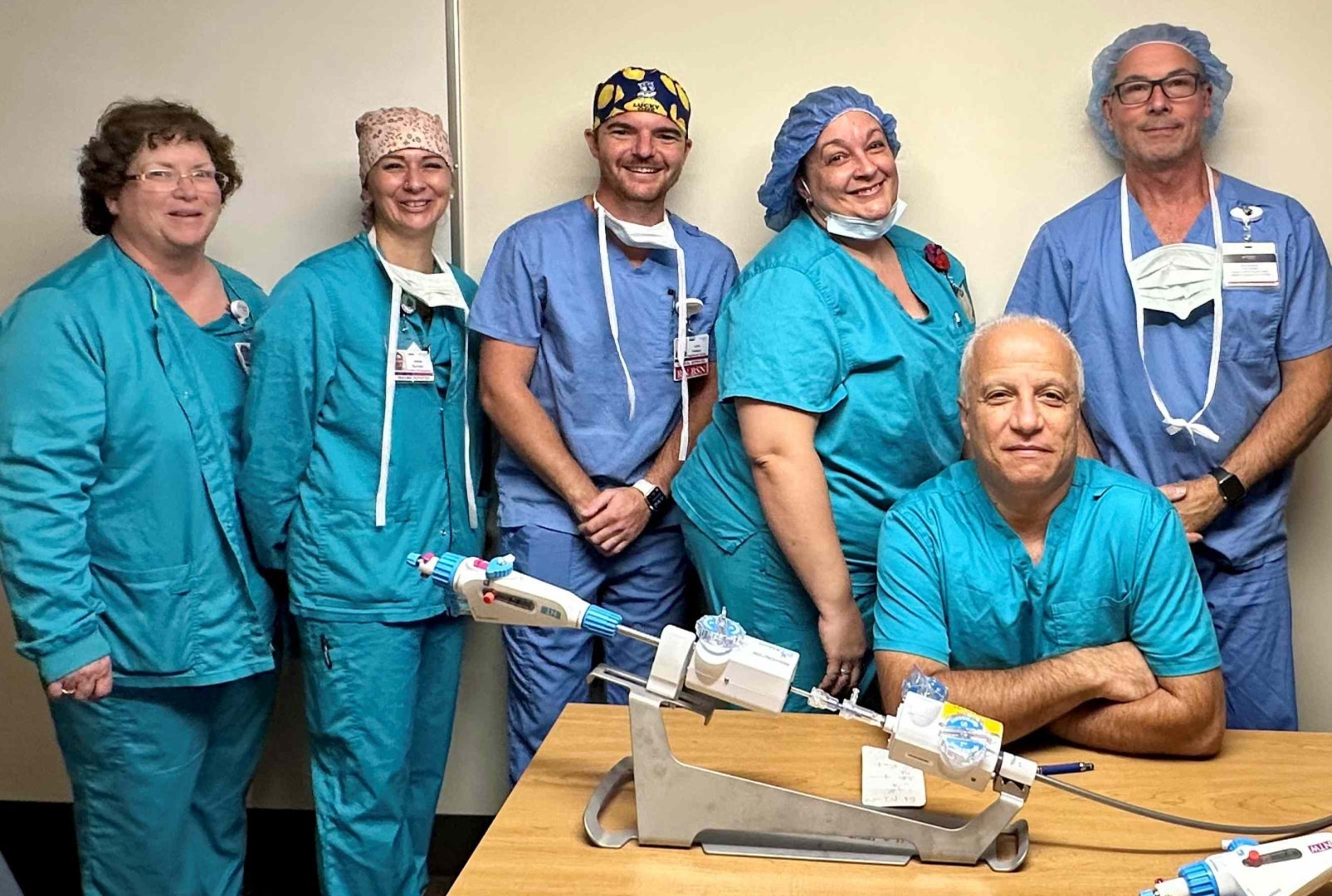
New minimally invasive procedure repairs damaged heart valve without open-heart surgery
SYRACUSE, N.Y. – St. Joseph’s Health has successfully performed its first minimally invasive transcatheter tricuspid valve repair procedure, marking a significant milestone for the St. Joseph’s Health Cardiovascular Institute and expanding access to advanced structural heart care for patients across Central New York.
The procedure was performed by Dr. Ziad El-Khally, an interventional cardiologist with the St. Joseph’s Health Cardiovascular Institute, on a patient suffering from severe tricuspid regurgitation, a condition in which the heart's tricuspid valve does not close properly, allowing blood to flow backward within the heart. The condition can lead to symptoms such as shortness of breath, fatigue, swelling in the legs and abdomen, reduced exercise capacity and, ultimately, heart failure.
Using advanced catheter-based technology, Dr. El-Khally and the cardiovascular team repaired the valve without the need for open-heart surgery. The procedure is performed through a small incision in a vein, allowing physicians to reach the heart and improve valve function while reducing recovery time and procedural risk for appropriately selected patients.
“For many years, patients with severe tricuspid valve disease had limited treatment options, particularly if they faced a high risk for surgery,” said Dr. El-Khally. “This minimally invasive approach allows us to reduce valve leakage and improve symptoms without the trauma of open-heart surgery. Many of these patients have historically experienced repeated hospitalizations because they were not candidates for traditional surgical intervention. Having this option allows us to provide meaningful symptom relief and help patients return to their daily lives with fewer limitations.”
This treatment offers a new option for patients who may not be candidates for traditional surgery. Many patients with severe tricuspid regurgitation who are not surgical candidates experience debilitating symptoms and frequent hospitalizations. Offering minimally invasive treatment options can help alleviate symptoms, improve overall well-being and potentially reduce the risk of hospital readmissions.
“This achievement reflects St. Joseph’s Health’s unwavering commitment to bringing the latest innovations in cardiovascular care to the communities we serve,” said Meredith Price, President of St. Joseph’s Health Hospital. “The successful completion of this procedure demonstrates the expertise of our cardiovascular team and reinforces our mission to provide exceptional care with compassion, dignity and respect. We are proud to offer patients access to leading-edge treatments close to home.”
The St. Joseph’s Health Cardiovascular Institute is recognized as a regional leader in heart and vascular care, providing comprehensive services ranging from prevention and diagnosis to advanced interventional and surgical therapies. The institute's multidisciplinary team works together to evaluate each patient and develop personalized treatment plans designed to achieve the best possible outcomes.
“Bringing this procedure to St. Joseph’s Health is an important step forward for our structural heart program and for the patients who can now receive this specialized care right here in Central New York,” said Dr. El-Khally.
The addition of this advanced valve therapy further expands the institute’s growing structural heart program and reflects St. Joseph’s Health’s commitment to advancing medicine through innovation, clinical excellence and patient-centered care. Building on Central New York’s largest experience in transcatheter aortic valve replacement (TAVR) and percutaneous mitral valve therapies, St. Joseph’s Health remains committed to expanding access to the latest minimally invasive structural heart treatments. As new technologies become available, the institute plans to continue growing its capabilities in percutaneous tricuspid and mitral valve replacement, ensuring appropriate patients have access to advanced therapies close to home.
##